
Image
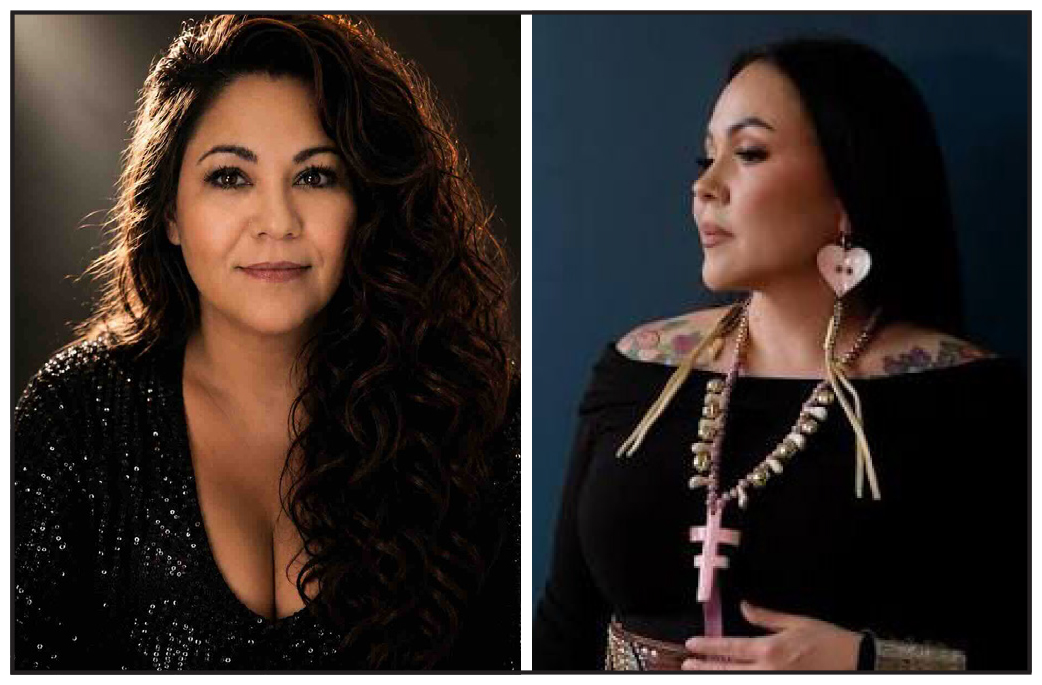
Image Caption
Local Journalism Initiative Reporter
Windspeaker.com
On Aug. 20 to Aug. 23, thousands of people from across Treaty 6 are expected to gather at Fort Carlton Provincial Historic Park in Saskatchewan to commemorate the 150th anniversary of the historic treaty agreement at its original signing site on Aug. 23, 1876.
The four-day event, located just west of Duck Lake, Sask., will feature First Nations’ culture, entertainment, history and art programming.
Traditional ceremonies are planned for each day. A treaty forum will be held with Elders and knowledge keepers. There will be hand games and a talent show. Juno award-winning artist Fawn Wood will perform on Aug. 22. There will be an unveiling of the updated Fort Carlton cairn plaque and a Treaty 6 150th commemorative monument. A full schedule of activities can be found here.
Treaty 6 territory spans approximately 309,760 square kilometres in present day central Alberta and Saskatchewan and was one of 11 numbered treaties negotiated between 1871 and 1921.
Treaty 6 holds the promise of respect, shared responsibility and coexistence of the original peoples with the newcomers. It outlines provisions for reserve lands, annual payments, education, and includes a medicine chest clause, a significant commitment to healthcare for First Nations.
As part of the commemoration, Métis lyricist Laurie Shaw-Greyeyes and Métis artist and vocalist Michelle Joly have co-created a single titled “1876” that celebrates the region’s Indigenous identity, language and culture.The lyrics weave together cultural practices and historical elements of the treaty, with the traditional Métis fiddle providing the song’s musical backdrop.
Métis are cousins of the First Nation treaty peoples on the prairies. They have an entwinned history on the lands.
“Our people have had to overcome so many obstacles and really that's what the song's about, is we're still here, we're still strong, we're still resilient, we're still moving forward through the storytelling of our songs for our next generation so we remember it’s more than a date,” Shaw-Greyeyes said.
Shaw-Greyeyes’s song “talks about nation-to-nation relationships and what is required from the Crown to the specific treaties,” said Shaw-Greyeyes. “We are the land, we are the people of the animals, and it’s important for us to understand that the treaties are still here.”
Shaw-Greyeyes is the owner of Gen7Path, an artistic organization which works to restore knowledge, culture and identity through song, storytelling and education.
Joly, a vocalist, songwriter and multi-instrumentalist who performs folk, jazz, soul and roots music across Canada, said she’s looking forward to performing “1876” at the Treaty 6 event and hopes it will guide the younger generations to understand the important history of the agreement and its impact.
Recently, Joly became an ambassador for the Gord Downie & Chanie Wenjack Fund in a commitment to foster connection, understanding, and healing between Indigenous and non-Indigenous communities through music and education.
“What I would hope people would get from it is bring awareness to what the treaties were, why they were signed, what all went down, the history of what happened to the Indigenous people and how they’re still standing,” Joly said. “Whether you’re Indigenous or non-Indigenous, you’re living on treaty land.”
Joly began working with Shaw-Greyeyes on a separate project several years ago, and since then they have collaborated on multiple others.
They share a vision of bringing people together and providing cultural teachings as a part of the Truth and Reconciliation movement.